



MOUNTAIN BIKE PROTECTORS




Wearing a helmet is not compulsory for mountain biking, but it is strongly recommended. Mountain bikers make no mistake about it, and many of them wear them on their rides. However, the effectiveness of other, less common types of protection, such as elbow pads, knee pads or wrist guards, is generally more questionable. Often, this equipment is associated with a reduction in comfort, which puts athletes off.
The relevance of these mountain bike protectors is generally realized after the first fall. And if you've been lucky so far, sooner or later your luck will change. So it's better to take the time to equip yourself than risk incapacitating injuries. But what equipment should you choose?
What are the different types of mountain bike protection?
Apart from helmets, knee pads and perhaps a few others, chances are you don't know all the equipment available to protect you during your outings. So here's a general overview of protection for mountain bikers. We distinguish between equipment for the upper body and equipment for the lower body.
Protective equipment for mountain bikers' upper body
Wrist guards
Wrists are a highly exposed joint when mountain biking. Wrist guards help limit the effects of direct impacts, for example in the event of a fall. They are also very useful for relieving pressure and stabilizing the joint, especially if you suffer from joint or tendon pathologies in this area. Wrist guards also reduce friction with mountain bike handles.
Elbow pads
Elbow pads are also an important piece of protection for mountain bikers. Our elbows are very exposed when we fall off our bikes, as we instinctively bring them in front of our faces to protect them. As a result, they bear the brunt of the impact. Tonnycat offers a wide range of elbow pads, depending on the level of comfort and protection you require. From reinforced models that extend all the way to the forearm, to soft, lightweight models.
Cervical protection
A neck protector only works in conjunction with a full-face helmet. It aims to reduce the risk of serious injury to the neck, the famous "whiplash", by reducing the force and impact of a fall on the neck. This type of mountain bike rider's equipment is generally reserved for extreme and committed riding. The most modern are made of fiberglass.
Back protector
The back protector is mainly used by highly committed riders. They are a lighter version of the protective vest, protecting only the spine. This leaves the rider free to choose his or her own arm protection: elbow pads, wrist guards, etc. Fastening is via shoulder straps and a waist belt. Some models are integrated directly into a backpack.
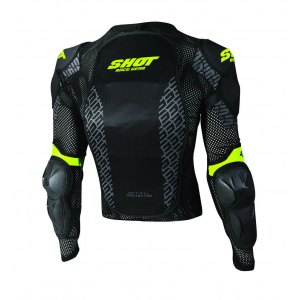
Protective vests
This enduro MTB protective equipment is also dedicated to the most dangerous practices. It protects the entire upper body: shoulders, back, forearms, elbows, abdominal belt and chest. It's generally made up of a mix of rigid and foam protectors. Some of the most advanced models use so-called "intelligent" materials, which have the property of hardening after impact. It's easy to draw an analogy between a protective vest and a suit of armor, even if the former guarantees almost total freedom of movement. In fact, this equipment can be adjusted as required in strategic places. A lightweight, breathable mesh fabric links the protective elements together. Some models are available without sleeves or elbow pads, for less dangerous riding.
Protective equipment for mountain bikers' lower bodies
Ankle protectors
Just like wrists, ankles are highly exposed when mountain biking. They can suffer serious trauma when bumping into rocks or following a violent pedal return. What's more, some mountain bikers suffer from joint weakness and need to stabilize their joints. That's why these downhill protectors are essential.
Shin guards
Just like the ankles, the shins are the most painful part of any pedal stroke. So, to avoid stitches, you can buy shin guards on Tonnycat.co.uk. In addition to fulfilling their primary function, some models also act as socks. This duo provides excellent comfort and a very high level of protection against pedal kickbacks and stones.
Knee pads
Knee pads come in a variety of forms: reinforced with a rigid shell or a more flexible one, covering only the knee or also protecting the shin, etc. Some kneepads protect the whole leg and can be slipped on like pants, while others only cover the sides and front. Today's models are a far cry from the archaic protection of yesteryear, and are now accessible to all mountain bikers. Light and airy, they have been designed not to interfere with pedaling. Some manufacturers also sell under-guards that reduce friction and significantly improve comfort.
Shorts and undershorts
Shorts are the first barrier against shocks during a mountain bike outing. It's best to choose an abrasion-resistant fabric, to limit the risk of burns. As for undershorts, these are an improved version of the famous cycling shorts. This essential enduro MTB protective gear features several solid reinforcements, particularly on the outside of the thighs. This area is particularly vulnerable to falls. Without sufficient protection, haematomas are likely to form, even in the event of a minor impact.
Which protection is right for which sport?
Once you've taken stock of the main types of protection available on the market, all you need to do is decide which ones you need. As you'd expect, this depends on your personal riding style.
Forest riding or cross-country?
This type of outing doesn't require excessive protection. Generally speaking, mountain bikers want to keep their weight down to make the most of their outings. We do, however, recommend two items of protective equipment: a helmet and long gloves. In all cases, helmets are essential, whatever your level of mountain biking, since their "comfort/expected benefits" ratio is always positive. However, it has to be said that the risk of a serious fall remains low, as cross-country descents are rarely technically demanding. On the other hand, long gloves are highly recommended, to avoid skinning your hands on the first fall. However, some experienced riders prefer to feel the grips directly with their bare hands.
Trail or all-mountain?
For these disciplines, each rider has his or her own habits. There's a plethora of equipment and combinations to choose from. However, a helmet is of course a prerequisite. You can choose a classic or full-face helmet. The classic helmet is generally different from cross-country helmets in that it offers better protection for the back of the skull. A full-face helmet, on the other hand, is far from a ridiculous choice, considering the level of engagement on many singles and the sometimes fatal consequences of a high-speed fall. A number of brands are now selling models that come close, including Bell and MET.
After helmets, knee pads are a must-have. The knee is a fragile joint that has difficulty recovering from shocks. When an injury occurs, it's likely to hamper your riding for a long time. What's more, if you fall, your knees are often on the front line. We also recommend equipment that covers the sides of these joints, as contact with the frame can be unpleasant.
Last but not least, elbow pads are a must when you're riding in the mountains. They prevent you from opening your arm against the first rock you come across, which is always useful. Some models are lightweight and can be easily slipped into a bag, while guaranteeing excellent support and sufficient protection against scratches that can occur quite quickly when mountain biking. Other models are slightly bulkier, but offer optimum protection.
Enduro racing?
Many enduro events exist and are open to riders of all levels who want to have fun on a course that's up to their standards. However, as the difficulty increases, so does the danger. Experienced riders are generally competitive and aim for the fastest time possible. They are therefore more likely to put themselves at risk, and need complete enduro MTB protection. A full-face (or pseudo-full-face) helmet is highly recommended, as are knee and elbow pads. We also recommend a lightweight back protector. In fact, the equipment required is very similar to that for DH, since the riders are always riding on natural, tricky terrain. Downhill in the mountains, everything goes faster. As long as all this protection fits well in your bag during the climb, don't hesitate to equip yourself well.
Downhill mountain biking?
Don't follow in the footsteps of those who ride down the slopes in a wifebeater - you could fall and die. To avoid injury and make the most of your week in the resort, don't be afraid to protect yourself. You can, however, make certain compromises, depending on your preferences, your heat tolerance and any restrictions on movement caused by certain pieces of equipment.
But even with the best protection in the world, injury is always a possibility. Some are almost impossible to prevent, such as pathologies of the clavicles, those fragile bones so easily affected by "suns" or "over the bars", while others are simply down to bad luck. So, just as in judo, you need to learn how to fall to reduce the risk of serious consequences in certain crashes. However, the protections listed below greatly reduce the risk of injury.
This time, a full-face helmet is mandatory, without question. You'll also need a neck brace. This equipment is designed to prevent serious trauma by supporting the rider's head and neck. The high-end Leatt brand is the market leader in neck braces. It uses a rear stabilizer with a breaking point, which breaks in the event of too violent an impact. Other versions use a two-part stabilizer that is positioned on either side of the spine.
Protective vests can also provide good protection for downhill mountain bikes, especially if the terrain is dangerous. However, most models are quite warm, which can prove problematic in the summer months. If you decide not to opt for a vest, buy a back protector. This can save you from ending your days in a wheelchair, in the event of a fall gone wrong. Downhill mountain bike protection is absolutely essential. There are many different types of back protector: some are made of hard plastic scales that conform to the shape of the back, others are made of a softer, airier and more comfortable material, and so on.
As for elbow and knee pads, you can afford the more reinforced versions. Thick gloves also offer welcome protection. As for shin guards, they'll save you from fractures or unpleasant pedal kicks. Last but not least, undershorts are also an interesting piece of equipment, providing effective protection for the hips and pelvis.
In fact, the choice of protective equipment for mountain biking is often a compromise between comfort, freedom of movement and safety. However, product comfort and breathability have come a long way in recent years. In any case, it's better to sweat a little more than you need to, rather than spend the rest of the season confined to your seat due to injury or worse.