


You've just got your motorcycle licence and you're dying to buy your own, of course. Your first motorcycle is usually temporary. You'll keep it for one or two years, while you gain experience and refine your tastes. When you're a young rider, it's hard to know what's right for you. Here's our advice on how to get off to a good start, enjoying yourself without taking any ill-considered risks.
Your budget
Your budget is your first criterion, because it's not expandable and restricts your choice. Don't forget to factor in insurance. It's all the more expensive if you're a young driver, and we strongly advise you to take out comprehensive insurance. We wouldn't wish it on you, but you're not safe from a beginner's accident. The most annoying thing is to break a handlebar during your first stationary manoeuvres : you misjudge the steering angle, back up a little too quickly and, in a second, you lose your balance and are carried away by the weight. The handlebars are bent. Comprehensive insurance will replace it, not third-party.
Don't get the bad idea of putting the bike in your parents' name, for example, to save money. You won't accumulate bonus points and will remain a young driver forever. What's more, as a secondary driver, you'll have to pay a hefty deductible for the handlebar loan .
Add to your budget your biker gear, which should be complete and of good quality, as well as accessories such as anti-theft devices and trunks. And don't forget the registration fee if you're buying from a dealer, and the cost of the vehicle registration document.
Choose a used motorcycle
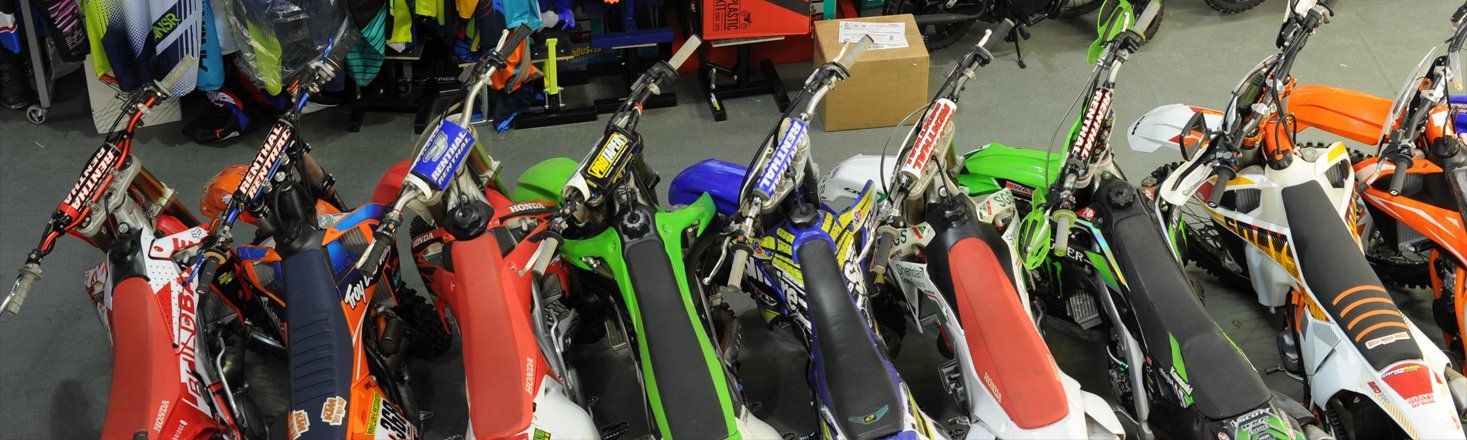
A new motorcycle loses 10% of its value as soon as it crosses the dealer's threshold. A used motorcycle doesn't mean it's at the end of its useful life, but it will cost you a lot less. Think of demo bikes, which have very few kilometers and are sold for much less than new ones.
You'll find plenty of parts and accessories to improve your motocross bike on specialized online sites like Tonnycat Racing!
Don't buy a bike with a lot of miles on it, or one that's poorly maintained and could put you at risk. If you don't know anything about mechanics, get help from someone who does.
Your second-hand motorcycle will cost you less to insure, and will depreciate less over time. Once you're more comfortable with it, you'll probably want to change it. With a second-hand, but still recent, motorcycle, you won't have any trouble and you won't lose as much money as with a new one.
Be modest
Don't start out with an exceptional motorcycle that's difficult to ride. School bikes are often interesting models. They're easy to handle, with a cubic capacity that's enough for fun, sturdy and weighing less than 200 kilos.
This type of motorcycle is reliable and economical in terms of maintenance, fuel, spare parts and insurance. What's more, you can easily resell them.
Avoid buying a sportbike as your first vehicle, as it requires experience. It can be frustrating to start out on a somewhat plain model, but your safety is at stake, and you'll enjoy it all the more when you switch to a sportier model once you've gained a minimum of experience.
Power
Go for medium power, between 500 and 700C3. A very powerful motorcycle requires experience, especially in less-than-ideal conditions such as rain. However, you need enough power to be able to overtake or react to any hazards on the road.
The weight
Weight is nothing when you're on the road, but for city riding and all maneuvers, a heavy motorcycle requires technique. The advantage of a heavy bike is that it naturally has good grip, but you'll struggle to handle it. Choose a motorcycle weighing around 200 kilos, or at least less than 220 kilos unladen.
Trails are a good compromise. Their suspension absorbs shocks well and their ground clearance is high enough. They're light and comfortable, and the upright riding position gives you a good overview of traffic. However, you'll need to be tall enough to put your feet firmly on the ground at a standstill. If you're inexperienced and can only tiptoe, you'll have trouble maneuvering around town, especially in traffic jams.
Handling
Go for the easy way out for your debut, with a large turning radius to make maneuvering easier, especially if you're driving in town. Avoid sport bikes and GTs (Grand Tourisme), which are difficult to handle, in favor of classic roadsters and trailers.
Your environment
Your lifestyle influences your choice. If you live in the city, or if you're a frequent commuter, your bike needs to be light and easy to handle. Don't choose a sportbike or a GT.
If you're more of a road rider, it can be heavier and, above all, more comfortable. You won't choose a trail bike if you often use fast lanes and freeways. The fairing provides appreciable comfort.
If you live in the countryside or mountains, you're often confronted with winding roads in poor condition, with lots of changes of pace. Trail and Supermotard motorcycles are the most suitable models in these circumstances.
If you plan to use your motorcycle all year round, be sure to include protective equipment such as a fairing, a high bubble and handguards on the grips.
Think about your passenger and luggage
If you're planning to have a regular passenger, you need to consider his or her comfort. Some roadsters and sportbikes aren't really suitable, while roadsters and trail bikes are often very comfortable. With a passenger, you also need more power, especially when you're starting off and need to overtake.
If you're planning a few trips and vacations with your motorcycle, it needs to be adapted to accommodate your luggage. You need to check not only the load you're allowed to carry, but also the technical possibilities for fitting the necessary trunks.
Your morphology
You should always try out your motorcycle before buying it. Depending on your morphology, you may not appreciate the position of the shifter and handlebars, or the width of the saddle, in the same way.
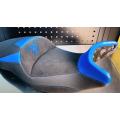
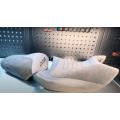
Of course, your height is of prime importance, as you really need to have your feet on the ground when you're standing still. If you're very short, you can change the saddle to artificially lower the height of the bike. Be careful not to overdo it, though, as you'll be altering the center of gravity.
Taller riders may also find their height compromised. If you're over 1.90 meters tall, you'll find yourself curled up on your bike. The position is uncomfortable, especially if you're traveling long distances. It's also ill-suited to the machine's center of gravity, and affects your balance. You also risk backache and leg cramps, which will impair your riding and reflexes. Trails are recommended, as they allow you to stretch out your long legs.
Here are a few selection criteria to help you make your choice. Happy trails !